A Big Welcome to the Depot
If you walk through the center of Cookeville, you will see a building that looks like it came out of a storybook. This is the Cookeville Depot Museum. It was built in 1909, which makes it over 100 years old! Back then, there were no big highways or airplanes to take people where they needed to go. Instead, everyone used the railroad. The depot was the heart of the town. It was the place where people said hello to visiting family or whispered goodbye to friends going on a long trip.
The building is very special because of its roof. It is called a “pagoda” style roof. This means the edges of the roof curve up a little bit, which was a very fancy style a long time ago.
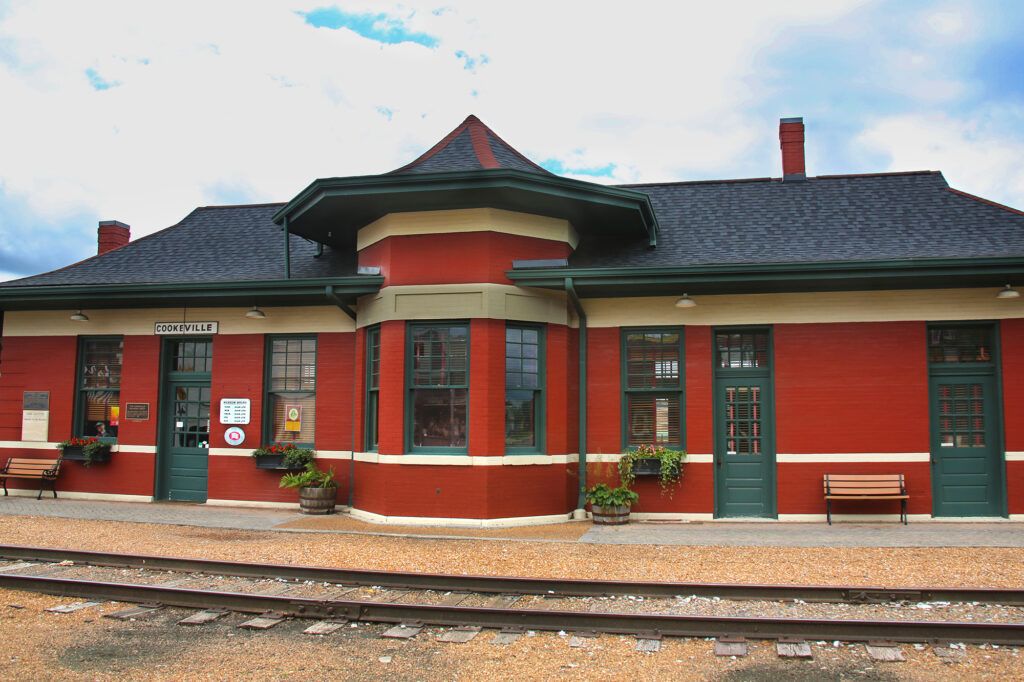
For many years, the depot was busy with the sounds of whistling trains and people carrying heavy suitcases. But as people started driving cars, the trains stopped coming as often. In the 1970s, the building almost went away forever. Luckily, the city bought the depot for only one dollar so they could save it and turn it into a museum for everyone to enjoy.
Today, when you walk inside, you can see the same wood floors and ticket windows that people used a century ago. It is a quiet place now, but you can still feel the history in the walls. The museum is a great spot for families because it is free to visit. You can spend time looking at old photographs and lanterns that the train conductors used at night. It is the best place to start your journey into the past and learn how the “Iron Horse” helped build the state of Tennessee.
Meet Steam Engine Number 509
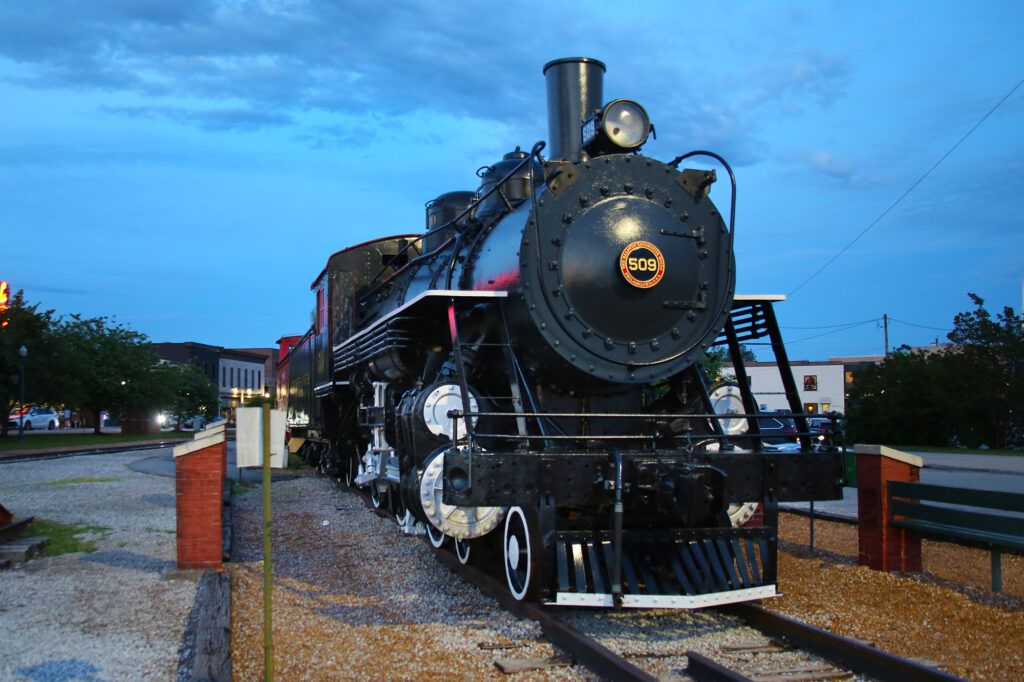
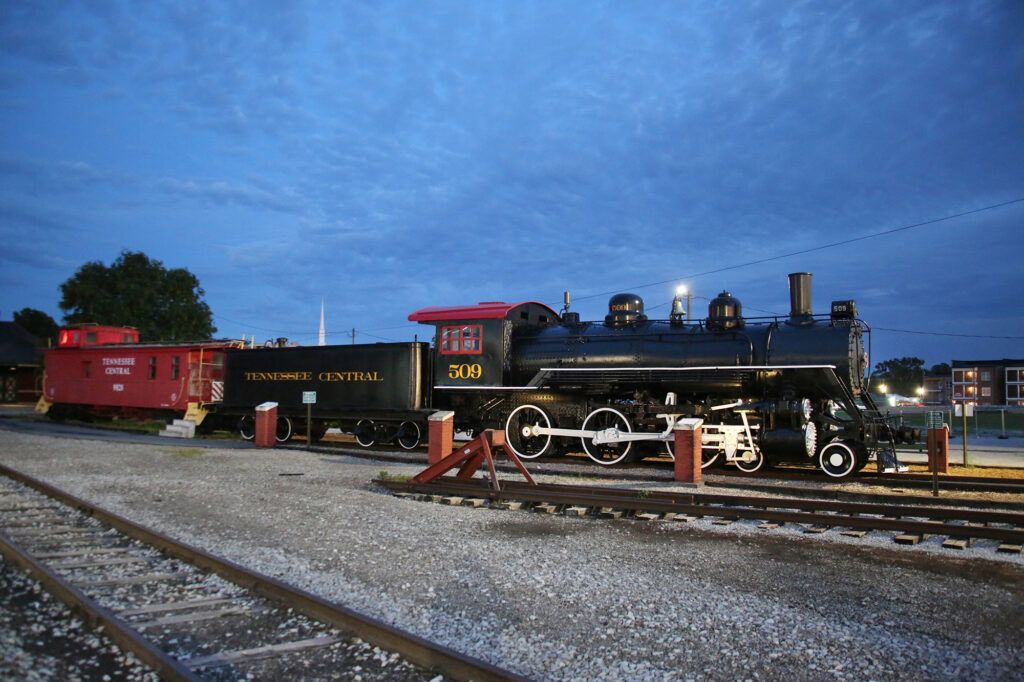
The biggest star of the museum is waiting for you right outside on the tracks. It is the 1913 Baldwin Steam Engine, known as Number 509. This engine is a giant machine made of heavy black steel. It is called a “Ten-Wheeler” because it has ten wheels that helped it pull heavy cars over the hills of Tennessee. Seeing it in person makes you realize just how powerful these machines were.
Number 509 has a very interesting story. It did not spend its whole life in Cookeville. For a long time, it worked in the state of Louisiana. It pulled trains through the flat lands there before it was finally retired. In the 1950s, it was brought to Cookeville to be a monument to the railroad.
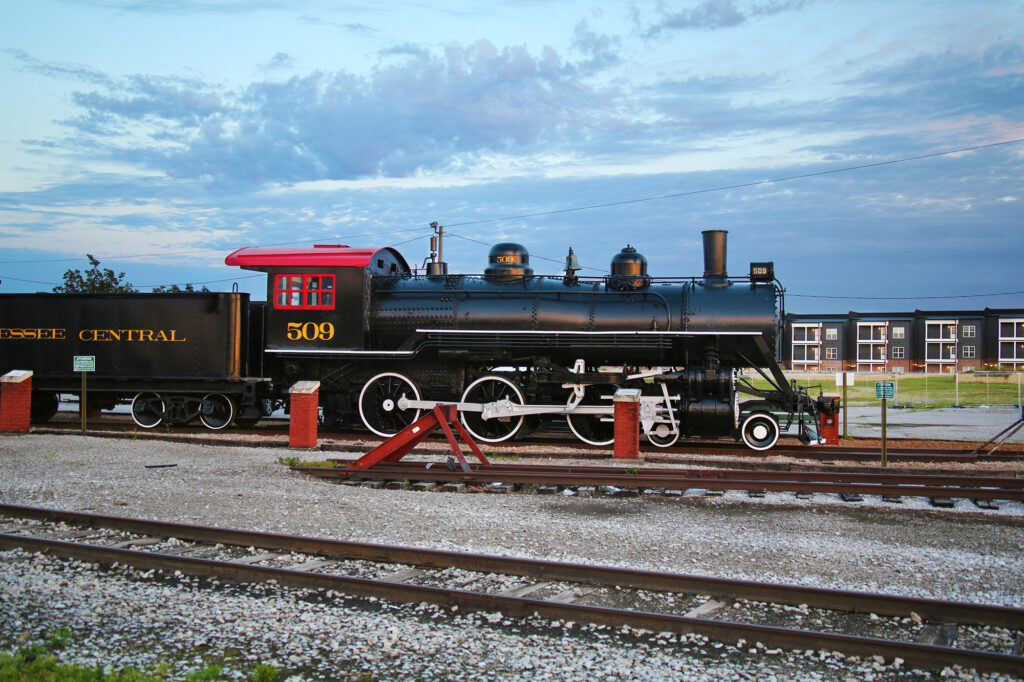
Moving such a heavy engine was not easy! It had to be carefully placed on the tracks where it sits today. Now, it stays in one spot so that children and adults can get a close look at the giant boiler and the tall smokestack. When we last visited, it was a popular photo site. Not only were people taking photos of the mighty engine, but they were doing family and even graduation photos there.
Life on the Tracks: The Red Caboose
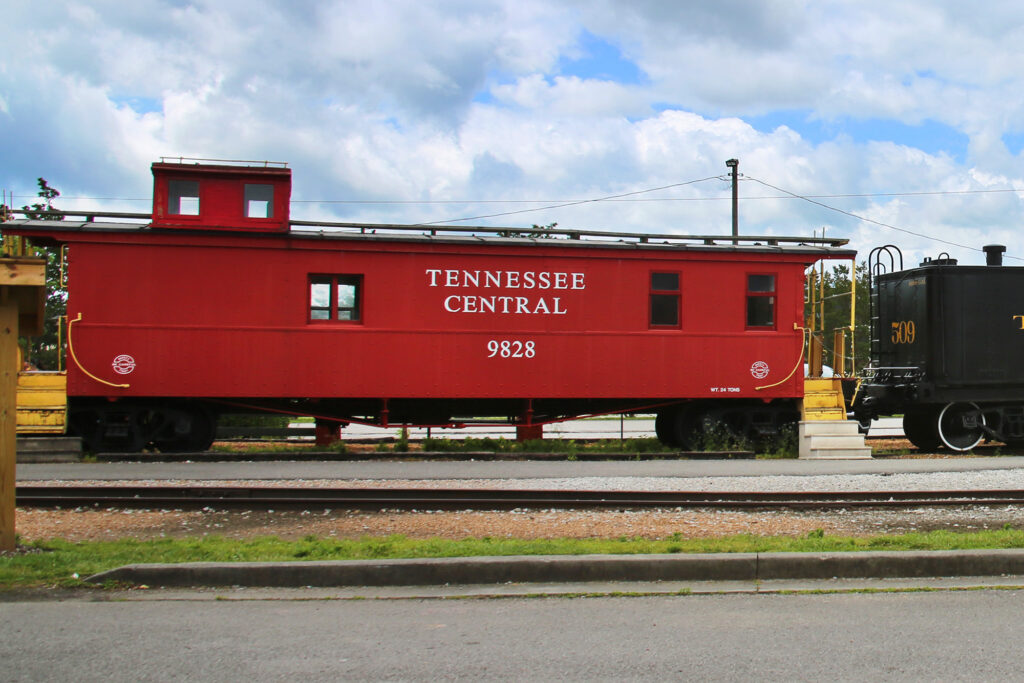
If you look behind the giant steam engine, you will see a bright red car called a caboose. A long time ago, every train had a caboose at the very end. It was not for passengers. Instead, it was a “home on wheels” for the people who worked on the train. The conductor and the brakemen lived there while they traveled from town to town. Because trains moved much slower back then, the workers sometimes had to stay on the train for many days at a time.
The red caboose at the Cookeville Depot belonged to the Louisville and Nashville Railroad, also called the L&N. When you step inside, you can see how the workers lived. There are small bunk beds where they slept and a little stove used for cooking meals and staying warm in the winter. It was a very tight space, but it was cozy. The workers even had a desk where the conductor could keep track of all the items the train was carrying, like coal, wood, or mail.
One of the most important jobs for the people in the caboose was to watch the train. This specific caboose has “bay windows” on the sides. These are windows that stick out a little bit from the wall. By looking through these windows, the workers could see all the way to the front of the train. They watched for smoke or sparks to make sure the wheels were turning correctly. Today, you can sit where the workers sat and look out the same windows. It is a fun way to see what life was like for the brave people who kept the railroads running.
Tiny Worlds: The Model Train Exhibit
After you explore the big trains outside, you should go inside the museum to see the tiny ones. There is a room filled with a giant model train layout. This is not just a toy set. it is a miniature version of what Cookeville looked like in the year 1955. Volunteers spent hundreds of hours building the tiny buildings, trees, and roads. When the trains start moving, it feels like the whole town has come to life in a very small way.
As you watch the tiny trains go around the tracks, try to find the buildings that look like the ones you saw outside. You can see the depot, the old stores on the WestSide, and even the places where the trains loaded up with coal. This is called an “HO scale” layout. That means everything is 87 times smaller than it is in real life! Because it is so detailed, you can see tiny people waiting at the station and small cars parked on the streets.
The model train room is a favorite for many visitors because there is always something new to find. You might see a tiny dog in a yard or a small sign on a shop window. It helps us see how the town has changed over the years and how it has stayed the same. It is also a reminder of how much people in Cookeville love their railroad history. Whether the trains are giant or tiny, they are a big part of what makes this museum a special place to visit.
Depot Park
Once you have seen the trains inside and out, you can spend some time at the Depot Park. This is the grassy area right around the museum. It is a very peaceful place with big trees and plenty of benches where you can sit and rest. If you brought a lunch, there are picnic tables where you can eat while you look at the giant steam engine. It is not every day that you get to have a peanut butter sandwich right next to a piece of history!
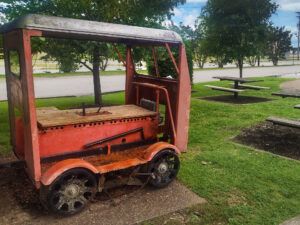
The park also has some smaller machines that are very interesting. These are called “track cars” or “speeders.” They look like tiny boxes with wheels that sit on the train tracks. A long time ago, workers used these to zip up and down the rails to check for broken boards or rocks on the path. They are much smaller than a regular train car and were like the “scooters” of the railroad world. Seeing them helps you understand all the different jobs people had to do to keep the tracks safe.
Throughout the year, the park is home to many fun events. Sometimes there are “Train Tales” where someone reads stories about famous locomotives to children. During the holidays, the depot is decorated with bright lights and looks like a winter wonderland. It is a place where the community comes together to celebrate. Whether you are running on the grass or looking at the old track cars, the Depot Park is a great spot to enjoy the fresh air and the history of the town.
The Spokes Sculpture
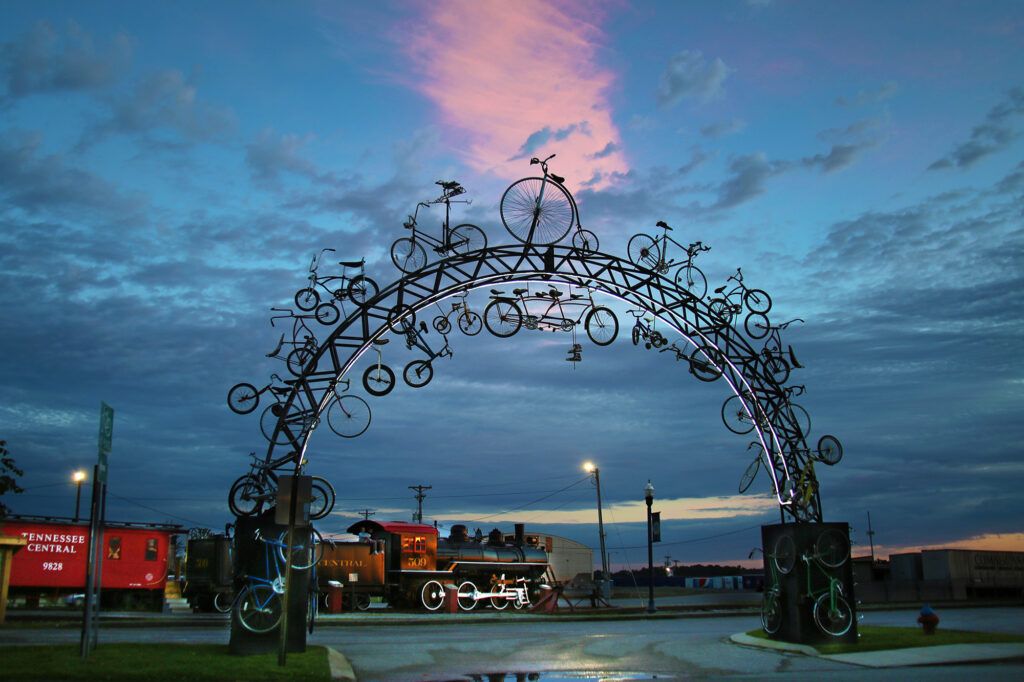
At the start of the train area, framing the museum’s engine, is a striking arch of welded bicycles known simply as Spokes. This whimsical yet meaningful sculpture has become one of the Upper Cumberland’s most distinctive landmarks – a place where art, history, and local identity converge.
Stretching roughly 36 feet wide and standing about 14 feet tall, you can see the sculpture’s details coming together like an intricate puzzle – handlebars twisting into curves, wheels overlapping like gears in motion. At night, subtle LED lighting transforms it into a glowing portal, adding a touch of magic to downtown Cookeville’s streetscape.
Why the Railroad Mattered
You might wonder why a city would work so hard to save an old train station. The reason is simple. Without the railroad, Cookeville might not be here today! A long time ago, the Tennessee Central Railway chose this spot to build a station. Before the trains came, it was very hard to get things like furniture, heavy tools, or even special treats from far away. Everything had to be carried by horses and wagons over bumpy dirt roads.
When the first train whistled into town, everything changed. Suddenly, farmers could send their crops to big cities to sell them. Shop owners could get the latest fashions from New York or Chicago. The railroad brought new people, new jobs, and new ideas to the mountains of Tennessee. It was like a giant straw that pulled life and energy into the heart of the city. This is why the depot was always the busiest place in town.
Visiting the Cookeville Depot Museum is about more than just looking at cool machines. It is about remembering the people who worked hard to build our world. When you see the steam engine or walk through the red caboose, you are walking in the footsteps of history. It reminds us that even though we travel in fast cars and planes today, it all started with a puff of steam and the click-clack of wheels on a iron track.

Leave a Reply